



A City “Built on Wine”
21 April 2026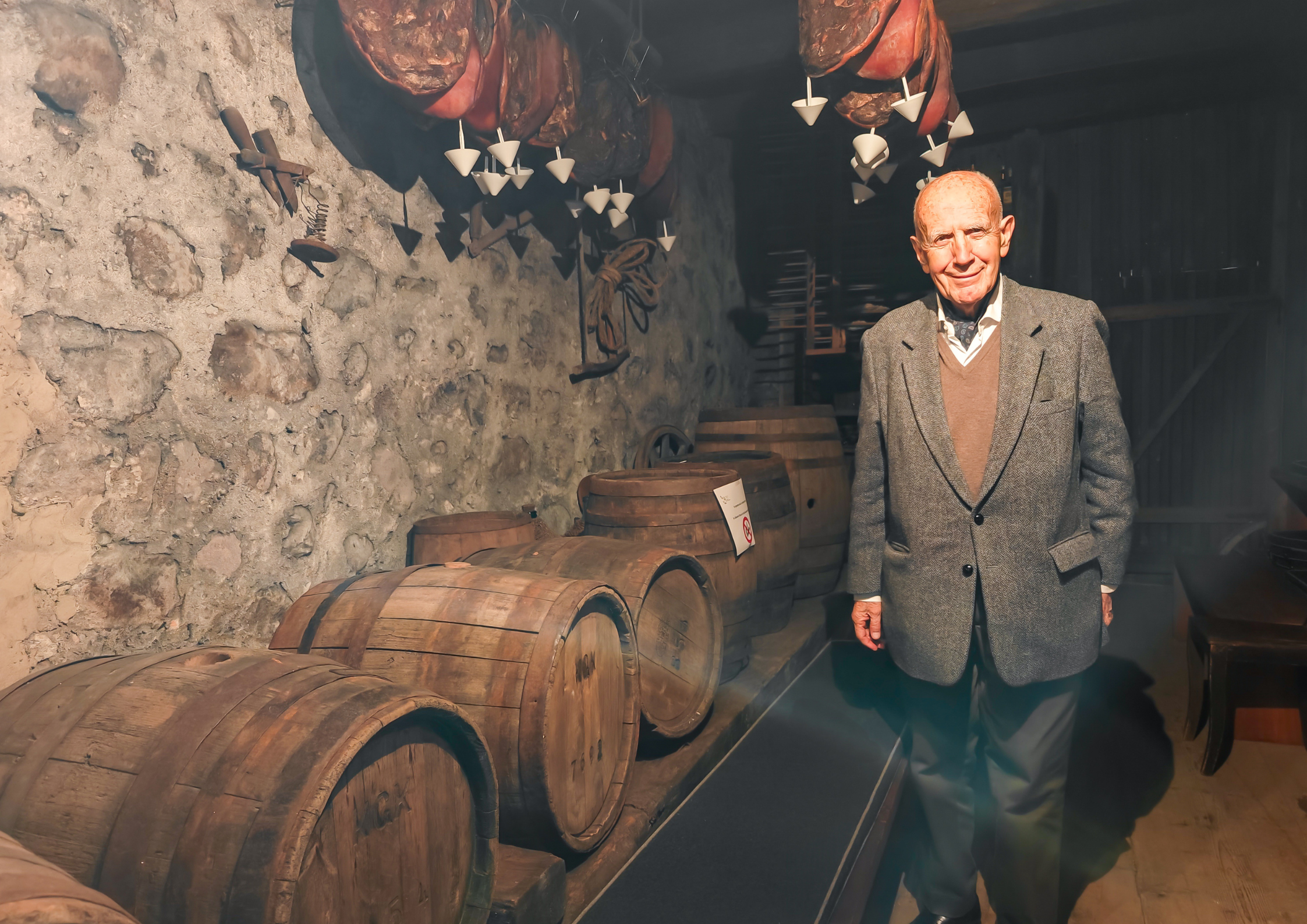
A City “Built on Wine”
Bolzano Bozen’s long trading tradition is reflected in the deep cellars beneath its arcades, some dating back to the 12th century. While many no longer survive, wine cultivation still plays a key role in the South Tyrolean capital.
During the “Lorenzinacht-Calici di Stelle” event on August 7, when wine lovers gather under the arcades, they stand above historic structures that testify to the city’s centuries-old wine tradition. Merchants once selling their goods here often owned large cellars, many established as early as the 12th century.
“The deep arcaded cellars, already mentioned in a Tyrolean verse from 1558, reflect Bolzano’s importance as a wine trading and fair center,” explains historian and professor Helmut Rizzolli. Thanks to a sophisticated ventilation system, these cellars maintained ideal temperatures, never dropping below 9°C in winter nor exceeding 18°C in summer.
Viticulture in the Bolzano basin dates back to prehistoric times. With the spread of Christianity north of the Alps, many Bavarian monasteries acquired vineyards in the area to secure a steady supply of sacramental wine.
Bolzano’s merchants traded not only textiles and spices, but also wine and must. During the markets, held four times a year for two weeks each, wine ensured that goods were transported both north and south without empty return journeys.
Today, only a few of the historic cellars remain intact, and Bolzano’s role as a wine trading hub has diminished. Nevertheless, wine remains deeply present, even in the urban landscape, with vineyards stretching into the city itself.
“During the traditional wine tasting under the arcades on the occasion of Lorenzinacht – Calici di Stelle, we should remember this ancient wine tradition,” Rizzolli notes. The vineyards continue to shape the landscape, quality of life, and local economy.
Caption: Historian Helmut Rizzolli in one of the few arcaded cellars preserved over the centuries.
Photo: Ursula Pirchstaller.