



Curiosities: Hidden and Lost Treasures
25 February 2026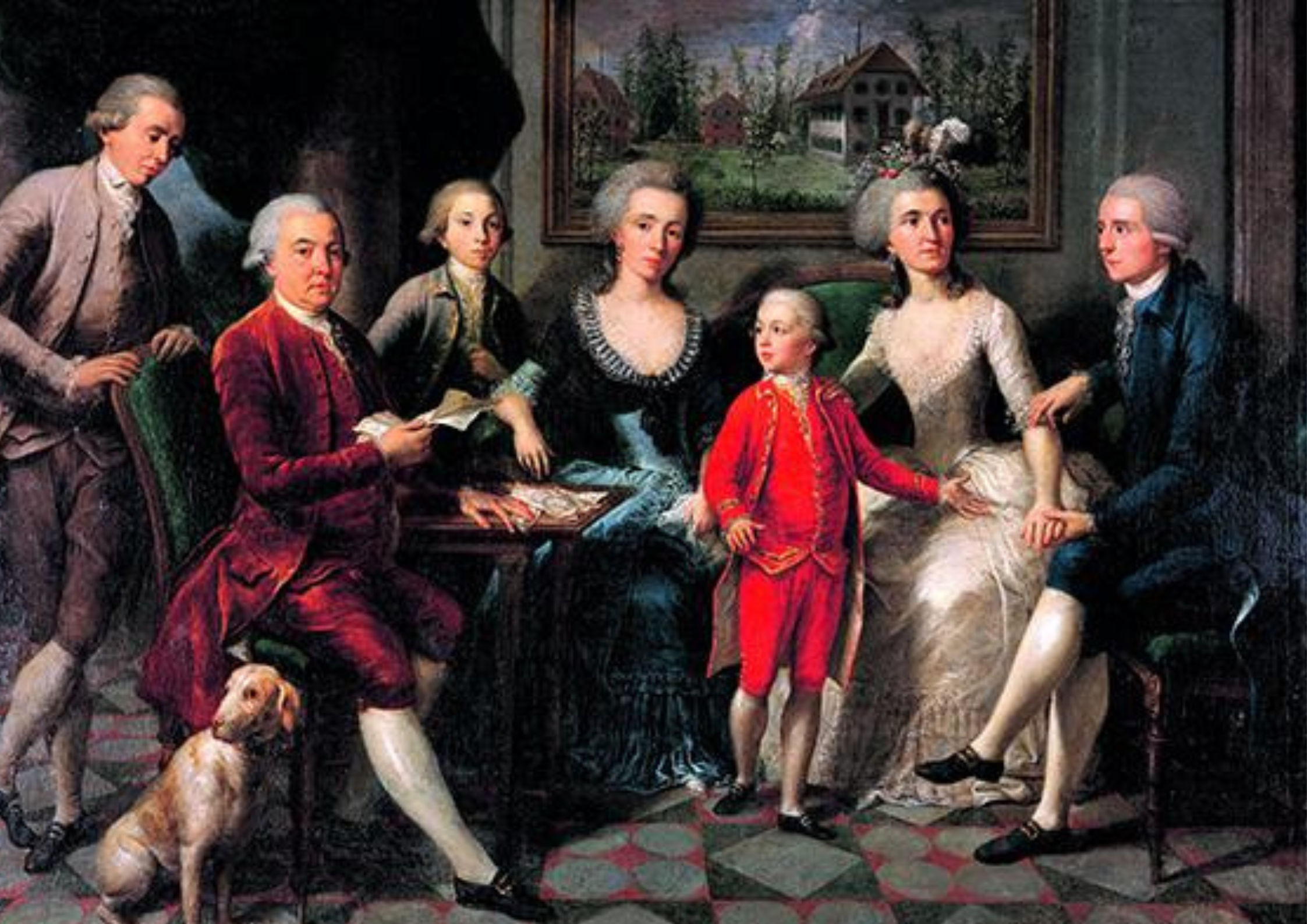
Curiosities: Hidden and Lost Treasures
That Bolzano is a city capable of surprising its visitors – and sometimes even its own residents – is a well-established fact. Guests are often amazed to discover that in this mountain town there is so much history and so many works of art, sometimes hidden inside churches or convents, in historic buildings in the city centre, or even in hotels. When a hotel was demolished a few years ago in order to redevelop the urban area in front of the railway station, for instance, residents and visitors realised that its atrium housed a bas-relief by Lucio Fontana, which was fortunately removed and later auctioned for several hundred thousand euros at a prestigious international auction house.
However, this is not the only so-called hidden artwork. Few people know that in a side chapel of the Dominican Church, on the square of the same name, there is a precious altarpiece by Giovan Francesco Barbieri (1591–1666), known as Guercino. The painter from Emilia, born in Cento near Ferrara and who died in Bologna, created works that are now housed in some of the most prestigious museums in the world. For the Dominican friars in Bolzano, he painted the Vision of Soriano, depicting the miraculous descent of the image of Saint Dominic in Soriano Calabro – a theme frequently represented in the history of the Order – portraying the appearance of the Virgin Mary together with Mary Magdalene and Saint Catherine of Alexandria to a friar of the Soriano Calabro convent.
The Civic Museum of the city has a complex history. Since its construction in 1882, it has changed location and has been closed several times for wartime reasons, for the reconstruction of its tower between 2003 and 2006, and again between 2024 and 2025 to comply with updated safety standards. During the most recent closure, collections were reorganised and additional spaces recovered. Although not all floors are yet open to the public, since last October the museum has re-established a narrative thread by creating an exhibition route featuring four thematic areas: family portraits, individual portraits, and artists’ portraits and self-portraits. These include portraits of figures significant to the city’s history, some of which are being displayed for the first time, having been recently restored or newly acquired.
Portraiture is also the focus of the temporary exhibition Faces of Merchants, on display at the Mercantil Museum until 3 October. Made possible through loans from public institutions and, above all, private collectors, the exhibition presents the faces of the merchants who helped make Bolzano prosperous and influential between the eighteenth and nineteenth centuries. Many of these paintings, created by renowned artists of the time such as Carl Henrici, Martin Knoller, Giuseppe Tominz and Friedrich Wasmann, were originally displayed in the private homes, company headquarters or shops of their commissioners. They portray men in authoritative poses, holding correspondence, account books or tools of their trade, often accompanied by their wives – members of the emerging merchant aristocracy. These unique works recount Bolzano’s golden age of trade and the evolution of its society.
Image: Menz-Gumer Family, Courtesy Museo Mercantile