



History of the City’s Streets: Via Dr. Josef Streiter- Dr. Josef Streitergasse
03 January 2026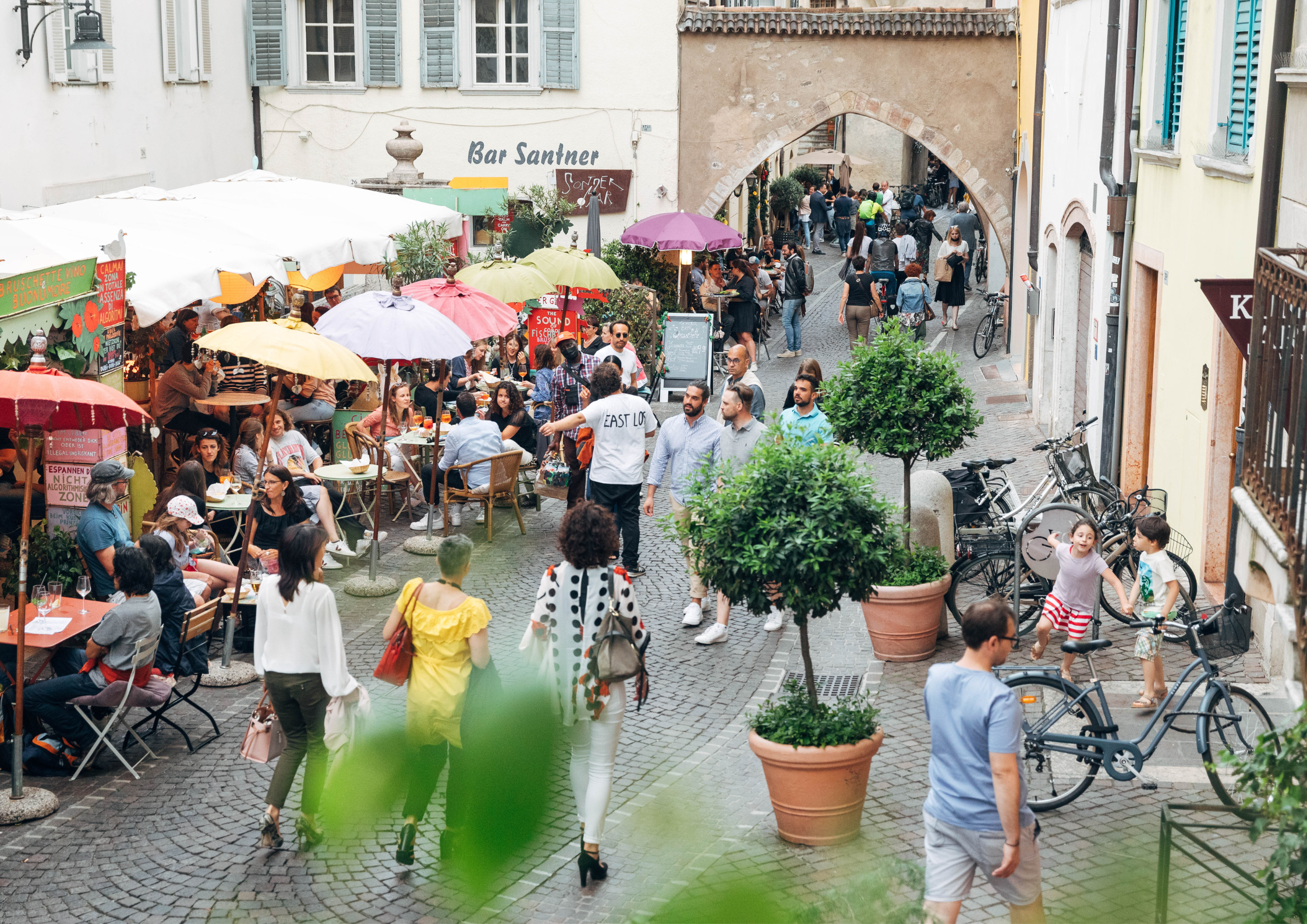
History of the City’s Streets: Via Dr. Josef Streiter- Dr. Josef Streitergasse
The street in the historic centre named after Josef Streiter—lawyer and liberal politician, mayor of the then municipality of Zwölfmalgreien-Dodiciville from 1850 to 1860 and subsequently mayor of Bolzano until 1870—is one of the city’s most distinctive thoroughfares. It runs along the northern side of the old town, parallel to the iconic Via dei Portici-Laubengasse. Like the entire historic centre, its origins are medieval: the street occupies the site of the former moat that once enclosed the Arcades and what constituted the core of the first medieval settlement. Following the siege by Meinhard II in 1277, the walls and towers that had protected this small economic and residential centre were demolished, the moat was filled in, and new buildings were erected.
The street that emerged was known until 1901 as Via dei Carrettai (Cart Drivers’ Street), as it served as the transit route for carts transporting goods behind the shops of the Arcades. Via Dr. Josef Streiter-Dr. Josef Streitergasse connects Via dei Bottai-Bindergasse with Via dei Francescani-Franziskanergasse and, consequently, the Marketsquare. Halfway along the route, two commercial arcades open up: to the north, the Vintler Gallery and the street of the same name, and the Stella Gallery, which links back to the Arcades.
At number 25 stands the rear façade of the former Town Hall, whose main entrance is located on Via dei Portici-Laubengasse and is distinguished by the only three pointed arches along the street. This building—today home to the city’s historical archive—served as the seat of the municipal administration from 1455 to 1907. It features an alternation of Gothic and Baroque architectural elements, as well as a loggia courtyard dating back to the late 15th century.
The section of Dr. Josef Streiter Street leading towards the Marketsquare, beginning at the arch of the Zallinger-Thurn Palace that spans the street—a 16th-century reconstruction of a former defensive tower—forms one of the most evocative corners of the old town. It is characterized by a series of distinctive venues housed beneath the ground-floor vaults of surviving historic buildings and by the site of the former fish market. A large fountain and several white marble counters, which today host an original bar particularly popular on summer evenings, evoke the past and confirm Bolzano Bozen’s long-standing character as a lively and open centre, shaped by trade and the industriousness of its inhabitants.
Image: Dr. Josef Streiter Street, courtesy of Thomas Rötting