



The Oldest Church In The City With Giottesque Frescoes: St. John's Church
30 December 2025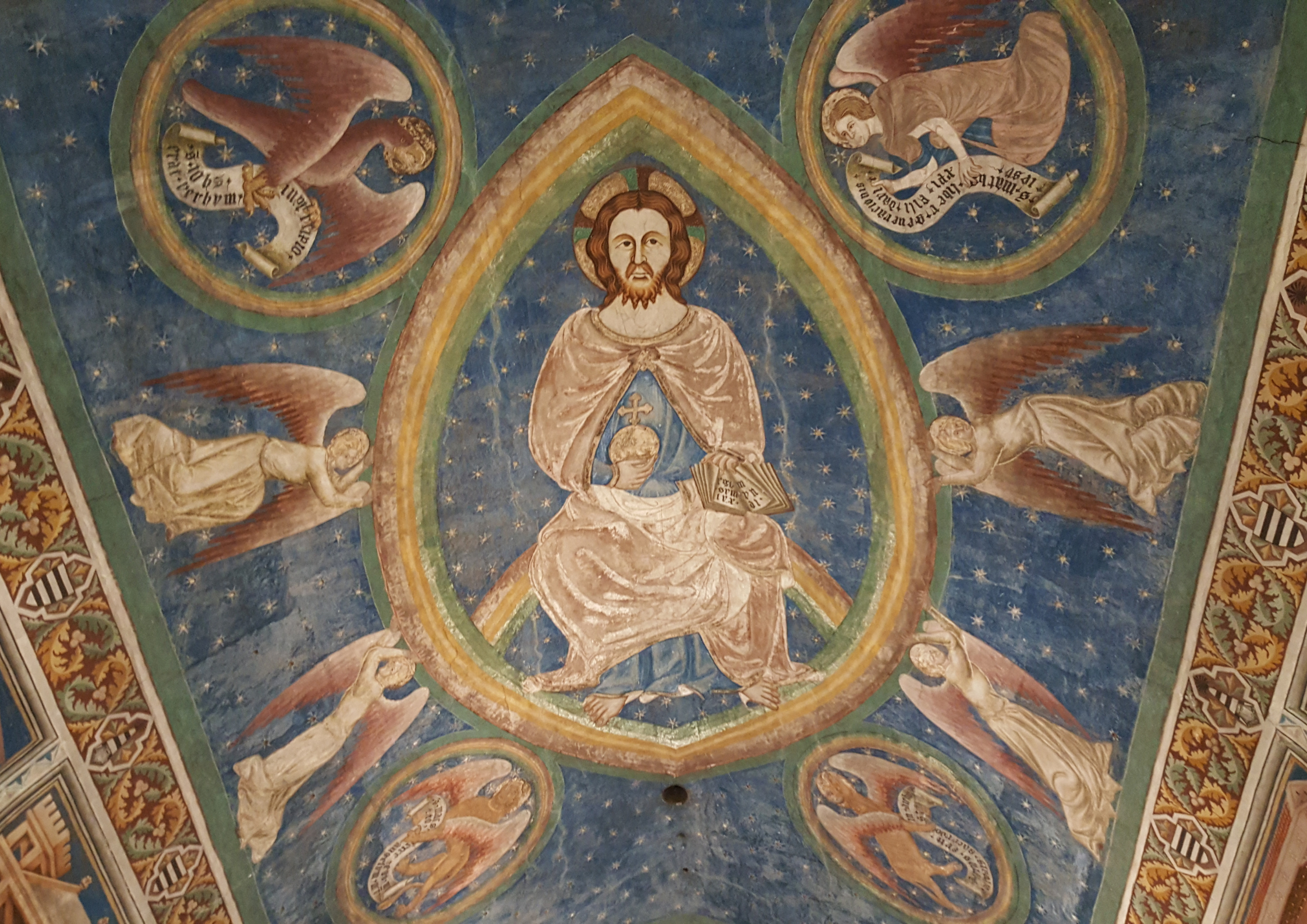
The Oldest Church In The City With Giottesque Frescoes: St. John's Church
There is a small area of the city located on the northern side of the Arcades, which, in medieval times, represented the gateway to mercantile Bolzano Bozen city and was known as Villa–Dorf. This ancient settlement of Romanesque origin preserves a true architectural and artistic gem: the Church of St. John.
Consecrated in 1180 by Bishop Salomone of Trento, as recorded in the annual chronicle that documented significant events in the city and its surroundings, the church consists of a single nave with a barrel vault and features a stone bell tower in the apse area. It is probably the oldest church in the city; its construction predates that of the Cathedral and, until the latter was built and completed, it served as the main gathering place for the local Christian community of the time. The real surprise, however, lies inside: the small church is entirely frescoed with Giottesque paintings attributed to two itinerant artists who introduced a new style to the region, representing an important testimony of 14th-century painting in South Tyrol.
The original Romanesque structure was partially modified in the 14th century. The decoration of the apse and part of the triumphal arch dates back to around 1330–1335 and is attributed to a local painter. The frescoes on the vault (the Maiestas Domini), depicting Christ enthroned within an almond-shaped frame—a typical medieval representation—and those of the nave, perfectly preserved except for the lower section, are the work of two painters conventionally known as the First and Second Masters of St. John's church. They frescoed the church around 1365 and were both influenced by Guariento, the renowned Paduan painter whose frescoes in the Dominican church, unfortunately lost, had a significant impact on the city’s artistic production in the second half of the 14th century.
Particularly striking for their sculptural quality are the two fresco cycles in the nave depicting the stories of Saint John the Baptist and Saint John the Evangelist, which reveal the authors’ extraordinary artistic and interpretative skill.
Visits to the church are organized by the Bolzano Bozen Tourism Board by appointment from April to October, while the church is open for worship purposes only on Saturdays from 10 a.m. to 12 p.m.
Image: St. John's Church, courtesy of the Bolzano Tourist Board