



Three Streets for Three Great Women: Anita Pichler, Carla Lazzerini, Anna Ruedl Zagler
25 February 2026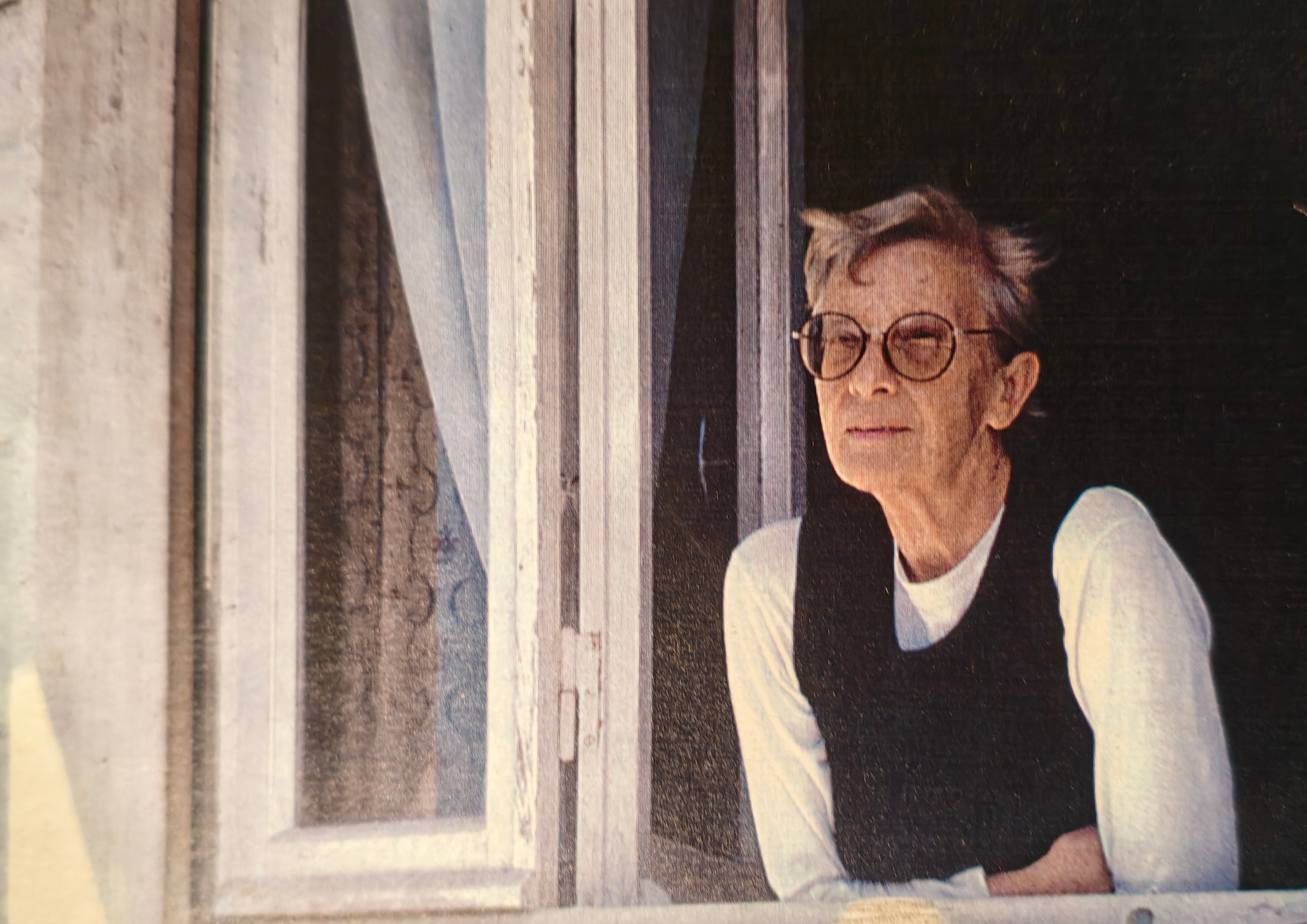
Three Streets for Three Great Women: Anita Pichler, Carla Lazzerini, and Anna Ruedl Zagler
Out of more than four hundred streets in the municipality of Bolzano, only around thirty are named after women—less than ten percent. This striking gap, in line with the national situation, reflects the historical marginalization of many women from public life.
In recent years, Bolzano has sought to address this imbalance. In newly built or redeveloped neighborhoods, the names of women who left a significant mark on the city’s cultural fabric have appeared.
In the Casanova district, alongside the square dedicated to Anne Frank, there is also a park named after Anita Pichler. Born in Merano in 1948, she was one of the first writers of her generation to gain recognition beyond South Tyrol. A German-speaking author deeply connected to Italian culture, she was one of the most refined and intense voices of contemporary South Tyrolean literature.
Between Via Novacella, Via Dalmazia, and Via Roma, a pedestrian and cycle passage is dedicated to Carla Lazzerini. Born in 1919, she was a literature teacher at the Pascoli Teacher Training Institute. Originally from Livorno, she moved to Bolzano with her husband—also a respected teacher at the Carducci Classical High School. Alongside her school career, she was strongly engaged in social work, including teaching in prison and offering French lessons to North African inmates.
In the Europa–Novacella district, a small street is dedicated to a remarkable woman: Anna Ruedl Zagler. Born in 1785 in Caldaro, she married a doctor from Lana. In 1860, at the suggestion of her son Joseph—later Father Franz Xaver Zagler—she offered free accommodation to elderly, sick, and destitute domestic workers.
Her large house became a “Dientsbotenhaus,” a home for domestic servants who, without family or pension, often lived in poverty. A foundation was established to support them and assist unemployed or unfit domestic workers.
On December 17, 1987, the foundation became the association “Haus der geschützten Wohnungen” (House of Protected Housing), aimed at providing protection and assistance to women experiencing violence. At the national level, it was one of the first shelters for women victims of domestic violence.
Image: Carla Lazzerini, Courtesy Lazzerini Family